
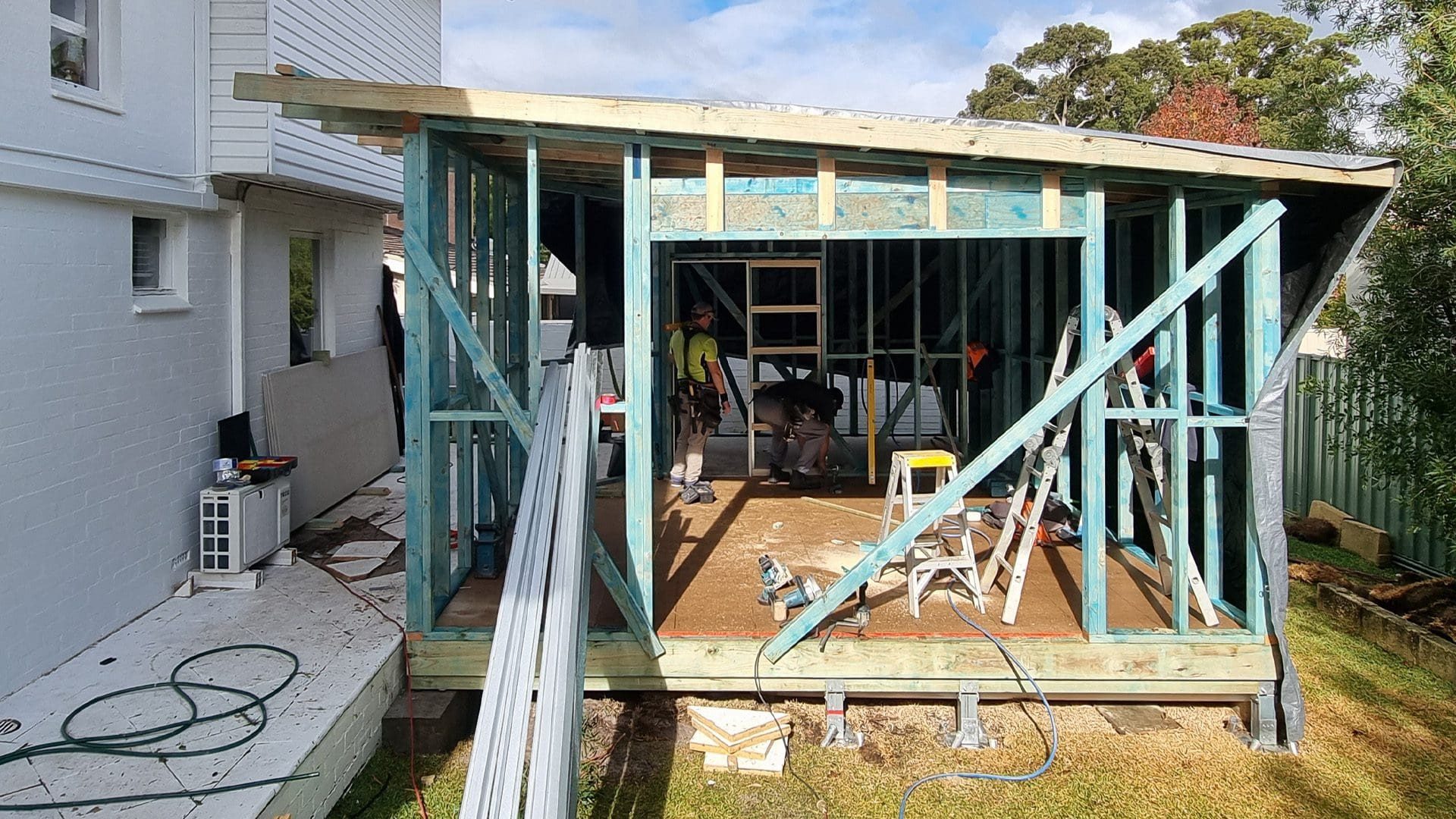
If you have been thinking about adding a granny flat to your Perth property, there has never been a better time. Recent changes to Western Australia’s planning rules have stripped away a lot of the old red tape, opening the door for thousands of homeowners who previously could not add an ancillary dwelling to their block. Whether you are hoping to house an ageing parent, generate rental income, or simply add real value to your property, a well-designed granny flat is one of the smartest investments you can make.
At Tinee Homes, we have built our business around small, sustainable living. Our granny flat and ancillary dwelling service helps homeowners across WA navigate the design, approvals and construction process from start to finish. Here is what you need to know before you start.
⭐ Key Takeaways
- WA's 2024 reforms have removed the 350 m² minimum lot size, opening granny flats up to thousands more Perth properties.
- Ancillary dwellings can now be rented to non-family tenants — a real income stream for property owners.
- Smart design, passive solar orientation and the right build method are what separate a great granny flat from an average one.
- Modular and shipping container builds can be on-site within 6–8 weeks once construction begins.
- Most builds under 70 m² no longer require planning approval if they meet deemed-to-comply rules — just a building permit.
Table of Contents
What Counts as a Granny Flat in Western Australia?
In WA, a granny flat is officially called an ancillary dwelling. It is a self-contained living space that sits on the same lot as your main home. To qualify, it needs its own kitchen, bathroom and sleeping area, and it has to be physically separate from the primary residence, although it can share a wall in a townhouse-style arrangement.
Ancillary dwellings are different from secondary suites or rooms within the main house. They are also different from tiny homes on wheels, which are governed under separate vehicle and caravan rules. If you are after something more mobile, you might want to look at our off-grid tiny homes range instead.
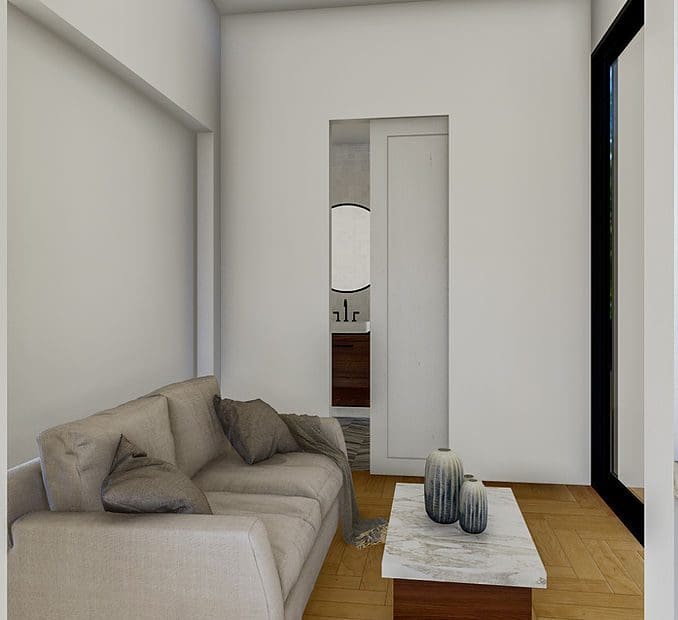
The 2024 Reforms That Changed Everything
In April 2024, the WA Government made some major changes to the Residential Design Codes that govern ancillary dwellings. These reforms were designed to ease the housing crunch and give homeowners more flexibility. Here is what changed:
- Minimum lot size scrapped. The old 350 square metre minimum has been removed. Granny flats can now be built on residential lots of any size, provided they meet setback rules.
- Maximum internal floor area remains 70 m². This was kept so ancillary dwellings stay true to their purpose — a secondary, self-contained living space.
- Strata and grouped dwelling lots allowed. Ancillary dwellings are now permitted on grouped dwelling lots and strata lots, not just single residential lots.
- Parking requirements relaxed. The requirement to provide a dedicated parking bay has been removed in most cases, except where the property sits far from public transport.
- Design freedom unlocked. The rule requiring the granny flat to match the colour, roof pitch and materials of the main dwelling is gone, giving you far more flexibility to design something distinctive.
- Planning approval no longer required for compliant builds. If your build meets all the deemed-to-comply requirements, you skip planning approval entirely. A building permit is still required.
These changes apply state-wide, but it is worth noting that local councils may still have specific setback or character requirements in their own planning schemes. Our team always checks the local rules for your suburb before we begin.

How a Granny Flat Can Pay for Itself
Granny flats are one of the most financially sensible additions you can make to a Perth property. Done right, they can serve a real practical purpose while building long-term value.
For multi-generational families, an ancillary dwelling provides independence and privacy without the cost of a full second mortgage. Older parents can stay close to family without sacrificing their own space, and adult kids studying or saving for a deposit get a stable, affordable place to live.
If you are considering renting it out, the demand in Perth’s rental market is strong. Thanks to another rule change, many WA homeowners can now legally rent their granny flats to tenants outside the family, which has opened a new income stream for property owners.
A granny flat can also work brilliantly as a short-stay rental. The growth in Airbnb and farm-stay tourism across WA, particularly in regions like Margaret River, the Swan Valley and the South West, means a beautifully designed tiny home or container build can generate strong returns. We have worked with plenty of property owners who use their ancillary dwellings exactly this way.
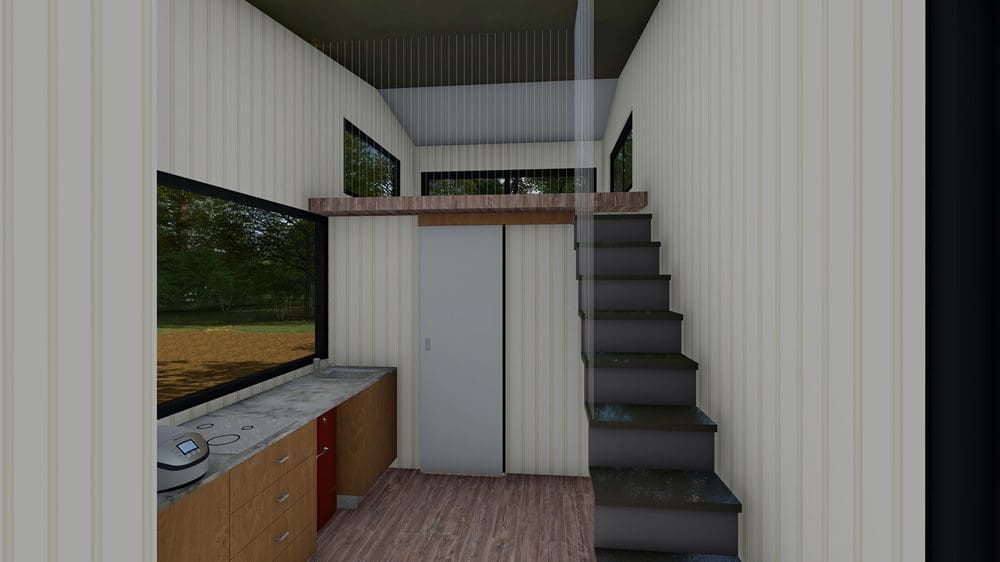
The 2024 reforms have made granny flats accessible to thousands of Perth homeowners who were previously locked out by lot-size rules. For most blocks, the path from idea to building permit is now shorter and clearer than ever before.
— Tinee Homes
Smart Design Choices for a Small Footprint
When you are working within 70 square metres, every square metre counts. The best granny flats feel much larger than they actually are, thanks to thoughtful design.
Design Principles That Make a Small Space Feel Bigger
A few principles we apply to every build to help compact ancillary dwellings live large:
- Open-plan layouts: Keep the kitchen, dining and living zones connected to make the space feel generous and social.
- High ceilings and large windows: Draw the eye upwards and outwards to create a real sense of openness inside the home.
- Built-in storage: Under-bed drawers, recessed shelves and joinery that doubles as room dividers eliminate the need for bulky standalone furniture.
- Multi-purpose furniture: Fold-down dining tables and sofa beds keep the home functional without crowding it.
- Outdoor connection: Bi-fold doors or covered decks effectively extend the living space into the backyard, year round.
- Passive solar design: Orientating main living areas to capture northern winter sun while shading them from the harsh western afternoon dramatically reduces heating and cooling costs.
Choosing the Right Build Method
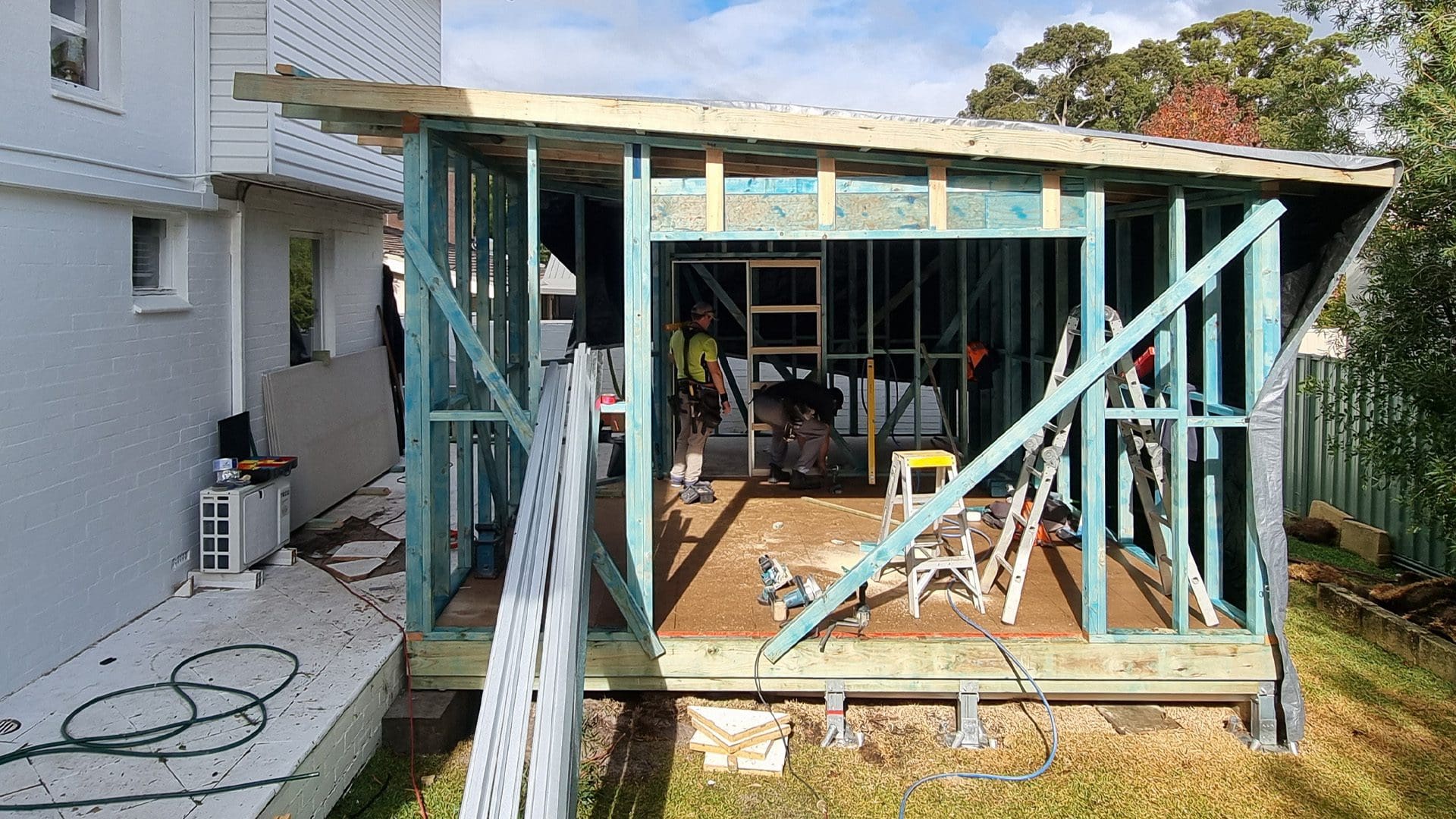
There is no single right way to build a granny flat, and the best approach depends on your block, your budget and your timeframe. Each method has its own strengths:
- Traditional on-site construction: Maximum design flexibility, but typically takes longer and is more vulnerable to weather delays during the build.
- Modular and prefabricated builds: Our Live-In Cubes are constructed off-site in a controlled factory, then delivered ready to install — faster builds, less disruption, consistent quality.
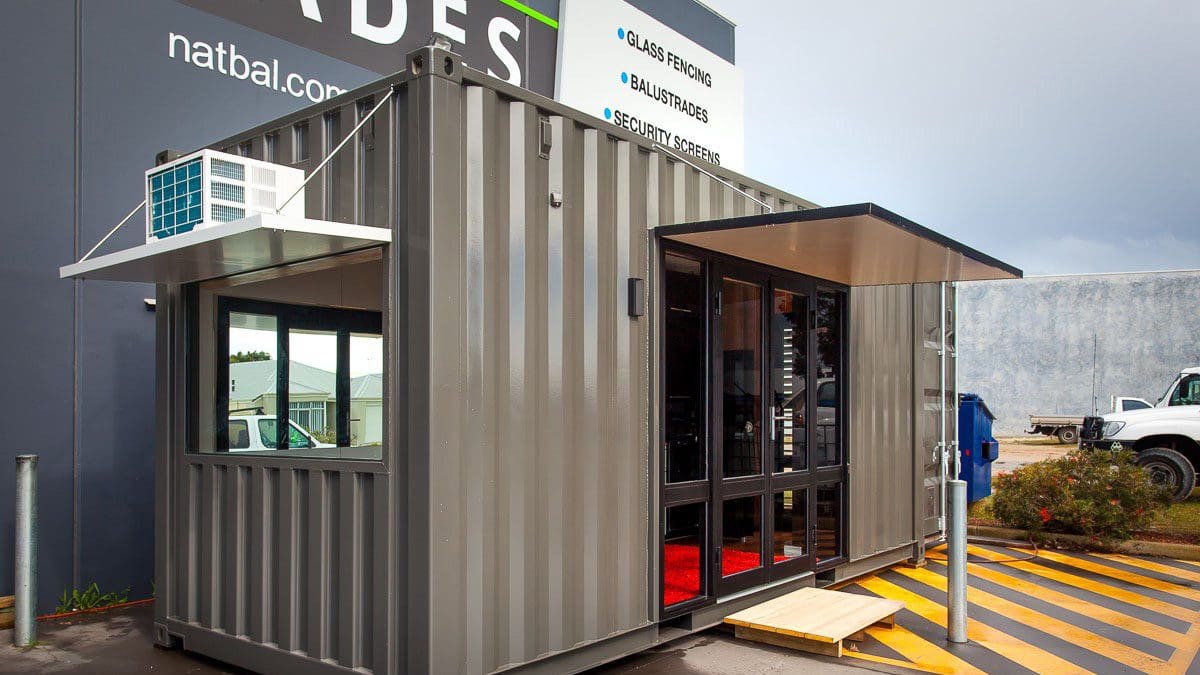
- Shipping container conversions: Durable, sustainable and architecturally striking. Our shipping container homes service covers compact single-container designs through to larger multi-container layouts.
- WA-ready specification: Whichever path you choose, the builder must understand Perth's hot dry summers and wet winters — smart insulation, climate-appropriate materials and an awareness of bushfire and coastal requirements all matter.
Making Your Perth Granny Flat a Reality
Adding an ancillary dwelling is a serious project, but it does not have to be a stressful one. With the recent rule changes, more homeowners than ever can take advantage of what was previously off-limits. The result can be more income, more flexibility for your family, and a meaningful boost to your property’s value.
At Tinee Homes, we manage the entire process for you, from design and approvals through to construction and installation. With over 40 years of experience in residential building across WA, we know what works in this climate and what does not.
Whether your block is in inner-city Fremantle, suburban Perth or the South West, our team will help you design a granny flat that is comfortable, compliant and tailored to the way you actually want to live.
Ready to Add a Granny Flat to Your Perth Property?
Talk to our team about adding an ancillary dwelling that suits your block, your budget and the way your family lives. We will guide you from initial concept through to handover.
Frequently Asked Questions
Not always. Since April 2024, ancillary dwellings that meet all the deemed-to-comply requirements — including the 70 square metre size limit and setback rules — do not require planning approval. You will still need a building permit, and local councils may have their own additional requirements.
Yes. The 2024 reforms allow ancillary dwellings to be rented to tenants who are not related to the property owner, which has made granny flats much more attractive as an investment for Perth homeowners.
Costs vary based on size, finish and complexity. A basic granny flat starts from around $90,000, while custom-designed builds with premium finishes can range higher. We provide detailed quotes after understanding your site and your needs.
Modular and prefabricated builds are typically completed within 6 to 8 weeks once construction begins. Traditional on-site builds usually take longer due to weather and trade scheduling.
A granny flat is a fixed structure attached to land and governed by residential planning rules. A tiny home is usually transportable, often built on wheels, and falls under separate vehicle regulations. Both can be excellent options depending on your needs — and we build both at Tinee Homes.